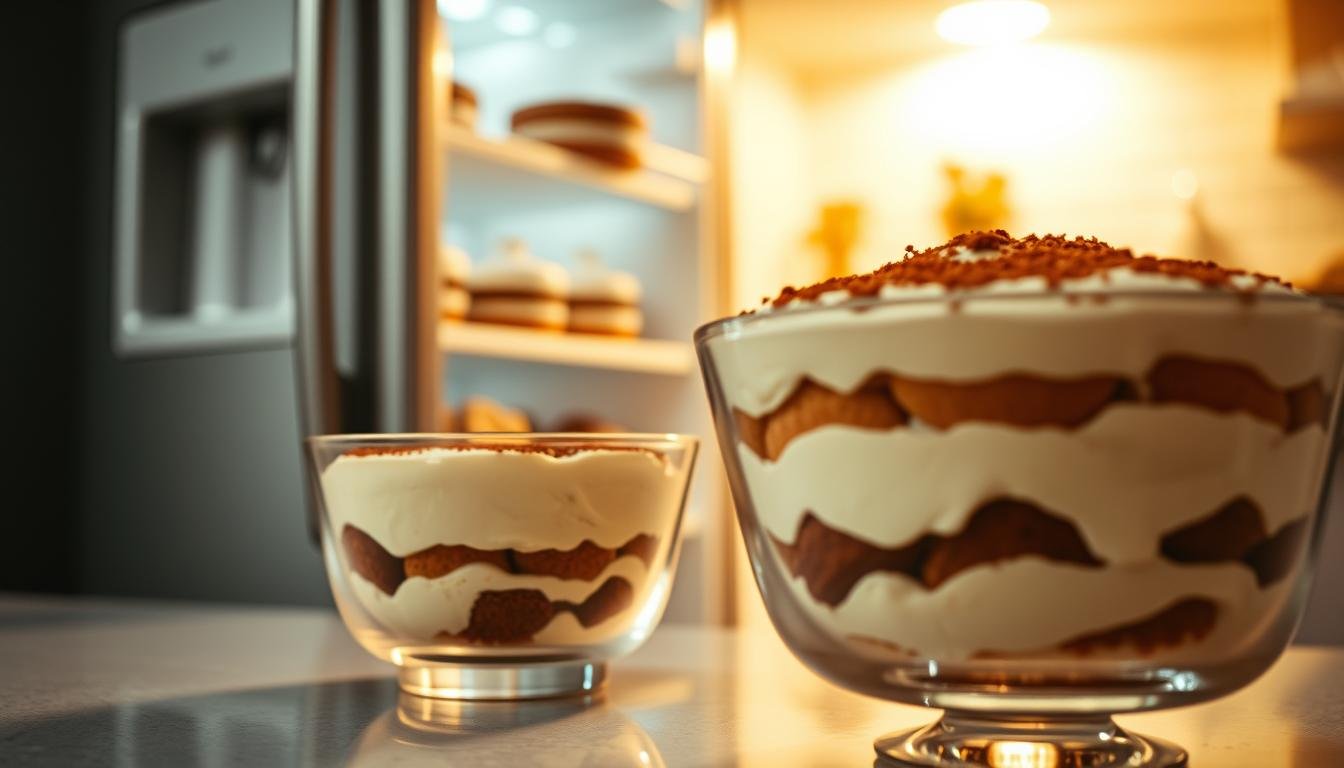
How Long Does Tiramisu Last in the Fridge
We will define what that question means for real kitchens and separate peak flavor from strict food-safety limits.
Because tiramisu relies on mascarpone and often raw or lightly cooked eggs, it is more perishable than many cakes. We will explain why this chilled Italian dessert needs careful storage and why texture changes, like softened ladyfingers, are normal even when it stays cold.
Next, we will preview typical refrigerator timelines for homemade versus store-bought tiramisu and list simple storage rules: keep a steady refrigerator temperature and limit air exposure with airtight wrap.
Finally, we will give clear signs to help us decide whether to eat, freeze, or toss a slice after a few days. These steps will help protect taste and safety, and set realistic expectations for leftovers.
Why tiramisu is so perishable in the refrigerator
We work with a moist, rich mixture that includes high-fat dairy and delicate sponge. That combination tastes great but needs steady cold storage to stay safe and keep texture.
Dairy and mascarpone demand steady temperatures
Mascarpone softens quickly when temperatures swing. High-fat cheese and whipped cream can also absorb odors and weep moisture if not kept at or below 40°F.
Eggs and cream raise food-safety stakes
Raw or lightly cooked eggs and cream form a rich protein‑fat mixture that supports bacterial growth when it warms. Even brief room temperature exposure while serving speeds that process.
Coffee-soaked sponge and changing texture
Coffee migrates through layers over time. That deepens flavor but also wets the ladyfingers, which move from cake-like to soggy if storage is sloppy.
- Temperature control and moisture management together govern spoilage.
- We must limit air exposure and chill promptly after serving.
How Long Does Tiramisu Last in the Fridge
A practical schedule for refrigeration tells us when to serve, freeze, or discard leftovers.
For homemade versions we recommend a baseline of 2–4 days refrigerated. Traditional recipes that use raw eggs are best within 1–2 days for both taste and safety. Most people prefer the first 2–3 days for peak texture and coffee notes.
Store-bought timelines after opening
Commercial desserts often use pasteurized dairy and stabilizers. That usually extends shelf life to about 5–7 days after opening when kept cold and sealed.
Best-quality days versus last-safe days
“Best-quality” means prime flavor and texture, usually the first 2–3 days. “Last-safe” refers to when it may still be edible but less enjoyable; this depends on ingredients and storage care.
- Serve confidently during best-quality days.
- Freeze if you won’t eat it within the fridge window.
- Toss when you detect off odors, discoloration, or mold.
| Type | Best-quality (days) | Typical safe window (days) |
|---|---|---|
| Homemade (raw eggs) | 1–2 | 2–4 |
| Homemade (pasteurized) | 2–3 | 3–4 |
| Store-bought (opened) | 2–3 | 5–7 |
Remember to limit room temperature exposure while serving. The clock keeps running once slices sit out, so return leftovers to cold storage promptly.
Homemade tiramisu shelf life depends on what’s in our recipe
Ingredient choices shape how many safe, tasty days we can expect a homemade dessert to keep. We focus on three factors that matter most: eggs, the mascarpone mixture, and added alcohol.
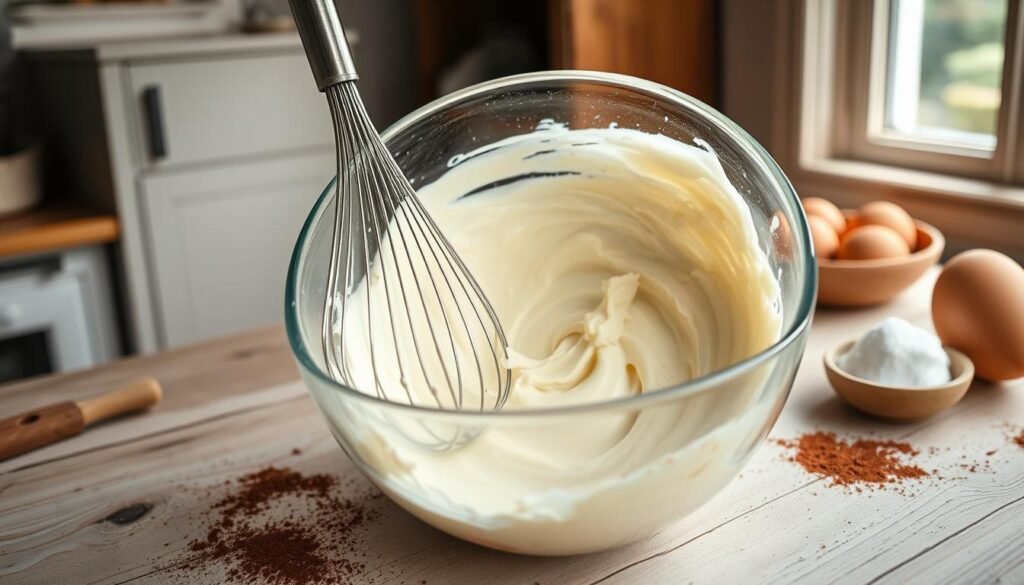
Raw eggs versus pasteurized eggs
Traditional recipes using raw eggs should be eaten within 1–2 days for safety and peak flavor. Using pasteurized eggs extends that window to about 3–4 days when chilled and sealed.
Mascarpone mixture and whipped cream
The mascarpone mixture holds a lot of moisture. That moisture can soften lower layers and speed quality loss over a few days.
Adding whipped cream creates a lighter texture but more aeration. More aeration can lead to faster separation and a softer set as time passes.
Alcohol like rum or Marsala
Alcohol can boost flavor and may slightly slow bacterial growth, but it does not replace refrigeration. Even with rum or Marsala, we must follow the same storage rules.
- Raw-egg versions: best within 1–2 days.
- Pasteurized-egg versions: comfortable to 3–4 days.
- Match ingredients to your serving timeline when planning a recipe.
| Type | Best-quality (days) | Typical safe window (days) |
|---|---|---|
| Raw eggs | 1–2 | 2–3 |
| Pasteurized eggs | 2–3 | 3–4 |
| With alcohol (rum/Marsala) | 2–3 | 3–4 |
Store-bought tiramisu timelines and what to check on the label
A commercial tray or cup arrives with built-in protections — but those protections change once opened.
We first read dates and storage notes on the package. “Use by” marks safety guidance. “Best by” signals peak quality. Once opened, air and kitchen microbes speed change.
Why sealed packaging and pasteurized ingredients help
Sealed packs and pasteurized ingredients slow spoilage. They limit exposure and reduce risk, pushing a sealed product toward the longer end of its shelf window.
Opened versus sealed: what it means for storage time
Open it and eat within a few days for best taste and safety. If we cannot finish it, freezing preserves quality better than leaving it in the refrigerator.
- Check ingredient listing for pasteurized dairy and handling instructions.
- Watch the date and shorten the timeline if packaging was damaged.
| Packaging | Sealed (days) | Opened (days) |
|---|---|---|
| Plastic tray | 7 | 3–5 |
| Individual cups | 7 | 3–4 |
| Cardboard box (tray) | 5–7 | 2–4 |
How to store tiramisu in the fridge so it lasts longer
Simple fridge rules protect the cream layers and keep flavors bright longer. We must act quickly after serving and keep temperatures steady to slow bacterial growth.
Set the refrigerator temperature at or below 40°F
Keep our refrigerator at or below 40°F (4°C). A steady cold slows spoilage and preserves texture. Track temperature with a dial or fridge thermometer.
Airtight container vs plastic wrap vs foil
An airtight container gives best protection for layered desserts. Cover tightly with plastic wrap for an extra seal and place a layer of foil over the container for longer holds.
When we must wrap directly, press the wrap close to the surface without smearing the cocoa dust. That minimizes air pockets and keeps the cream set.
Where to place it and flavor protection
Avoid the fridge door; temperature swings shorten safe hours. Store toward the back of a middle shelf where cold is most stable.
Dairy picks up odors easily. Keep our dessert away from onions, garlic-heavy dishes, and strong cheeses to protect flavor. Open containers only briefly when serving.
- Keep fridge ≤40°F.
- Use airtight container + plastic wrap; add foil for long holds.
- Place at rear shelf, away from strong-smelling foods.
| Item | Best practice | Why |
|---|---|---|
| Temperature | ≤40°F | Slows bacterial growth |
| Covering | Airtight + plastic wrap | Prevents odor, drying |
| Placement | Back middle shelf | Stable cold, fewer swings |
Packaging choices that protect layers, texture, and flavor
Packaging affects how our dessert holds its shape and taste. A simple change in format alters air exposure, moisture flow, and how fast cream softens.
Large tray versus individual cups
Large trays show off neat layers but suffer once we cut into them. Each slice exposes new surfaces that draw air and odors into the cake.
Individual glass cups limit that exposure. Sealed portions keep ladyfingers from turning uniformly soggy and keep each layer distinct for longer.
What cutting a slice does to quality
When we cut, we create fresh edges where cream can dry and pick up smells. Bacteria also get more access to inner surfaces after the first slice.
Pressing plastic wrap directly on the exposed cut face slows moisture loss and helps preserve the top layer and cocoa dusting.
- Choose cups for multi-day serving; they protect layers and slow moisture migration.
- Cover trays tightly after cutting and press wrap to the cut face to protect ladyfingers.
- Store portions away from strong-smelling foods to keep cream flavor pure.
| Format | Key benefit | Typical shelf effect |
|---|---|---|
| Individual cups | Less air exposure | Layers stay distinct for more days |
| Large tray (uncut) | Best presentation | Good until first cut |
| Large tray (cut) | Easy serving | Quality drops faster after slice |
How long tiramisu needs to chill before serving
A proper resting period in cold keeps each layer stable and tames surface moisture.
At least 4–6 hours gives the mixture time to firm, so slices hold together and layer ladyfingers transform into a cake-like texture. This minimal chill time also lets sugar dissolve and flavors bind without over-softening.
For stronger coffee and cocoa integration, we aim for the make-ahead sweet spot of overnight or up to 1–2 days. That range deepens coffee and cocoa notes while keeping texture pleasing.
Quick technique reminders
Dip ladyfingers briefly — about 1–2 seconds per side — to avoid soggy layers. Work fast when assembling so the mixture stays cool.
Dust with cocoa powder just before serving if we refrigerate for more than a day. That preserves a fresh top and better presentation.
| Step | Minimum hours | Make-ahead sweet spot |
|---|---|---|
| Initial chill | 4–6 hours | Not required |
| Flavor melding | 6–12 hours | Overnight–48 hours |
| Final dusting | Before serving | After thawing or before plating |
How long tiramisu can sit out at room temperature
A strict two-hour ceiling keeps perishable layered dessert safe when guests serve themselves. We follow this rule in the United States to limit risk from dairy and raw ingredients.
The two-hour safety limit and why it matters
Mascarpone, whipped cream, and raw or lightly cooked eggs are prime food-safety concerns. Warm air lets bacteria multiply fast, so we do not leave a tray at room temperature beyond two hours.
Serving tips to keep the dessert cold between portions
Keep the main tray chilled until guests are ready. Plate smaller servings from the cold dish so most of the dessert stays refrigerated.
- Use a chilled platter or nest a serving dish over ice to buy extra cold time during long gatherings.
- If someone wants seconds, re-cover slices and return them to cold storage between rounds.
- Never rely on appearance; a cream layer can look fine while bacteria have grown.
| Situation | Max room temperature hours | Action |
|---|---|---|
| Plated at party | 2 | Serve small portions; refrigerate extras |
| Short buffet (with ice) | Up to 3 with ice | Use chilled platter; monitor temps |
| Leftover slices | Under 2 | Re-cover and chill immediately |
Signs tiramisu has gone bad in the fridge
A few simple checks help us spot spoiled dairy before we take a bite. We pair timing with sensory checks to decide whether to keep or toss a slice.
Sour smell, off taste, or slimy texture
A sharp sour odor or an odd flavor signals spoiled cheese or cream. If a sample tastes off, we discard it immediately.
Sliminess on the surface often means bacterial growth even when the top looks fine. That texture is non-negotiable — toss it.
Watery or separated cream layers
Some softening is normal after a few days as moisture migrates through layers. But true separation, curdling, or a clear watery layer under the cream shows the mixture has broken down.
We compare expected softening to curdling: if the cream beads or separates into liquid and solids, it is unsafe to eat.
Mold, discoloration, and when to toss immediately
Any visible mold or unexpected color means discard without scraping. Contamination can spread below the surface and is not fixable by removing spots.
- Sour smell or off taste — toss now.
- Slimy surface or sticky feel — toss now.
- Watery/curdled cream or separated layers — toss now.
- Visible mold or discoloration — toss now; do not rescue by scraping.
| Warning | Why it matters | Action |
|---|---|---|
| Sour smell | Indicates spoiled dairy and bacteria | Discard immediately |
| Slimy texture | Bacterial growth not visible | Discard immediately |
| Separated cream or watery layer | Cream or mascarpone breakdown | Discard immediately |
| Mold/discoloration | Surface and deeper contamination | Discard and clean container |
Quality changes that show it’s past its prime but not necessarily unsafe
Not every change means spoilage; many shifts affect only texture and taste while safety remains intact. We use a few simple checks to separate quality decline from true food-safety problems.
Soggy ladyfingers and flattened layers
Over a few days, ladyfingers keep absorbing moisture from the mascarpone and coffee. That softens their crumb until slices lose lift and the layers look compressed.
This flattening reduces contrast between sponge and cream but does not always indicate spoilage. For casual family servings it may be acceptable; for guests we often remake or refresh presentation.
Muted cocoa powder and coffee notes over time
Cocoa powder can dampen or clump as humidity rises. The fresh cocoa aroma fades, and coffee notes mellow or grow slightly bitter as they oxidize and blend with cream.
These changes lower overall flavor even when no off odors or mold appear. A quick re-dusting with cocoa powder and a short chill before serving restores aroma and visual appeal.
- Signs that mean quality loss (not spoilage): soggy ladyfingers, flattened layers, muted cocoa and coffee flavor.
- When quality alone is the issue: re-dust cocoa powder, serve chilled, or reserve for informal eating.
- When to remake: if guests expect crisp layers or strong coffee character.
| Change | Typical timing (days) | Action |
|---|---|---|
| Soggy ladyfingers | 3+ | Re-serve at home or remake for guests |
| Flattened layers | 3–5 | Portion and re-chill; press wrap to exposed faces |
| Muted cocoa/coffee | 2–4 | Re-dust cocoa powder before serving |
How to freeze tiramisu without ruining it
Protecting layers from air and moisture matters most when we move a chilled dessert to the freezer. With a simple method we can preserve flavor and avoid freezer burn for future servings.
We can freeze tiramisu for about 2–3 months when it is tightly wrapped and kept cold. Expect slight softening and more moisture in ladyfingers after thawing. Plan servings around that modest change in texture.
Wrapping and container method
Press plastic wrap directly to the surface to avoid air pockets. Then cover the whole dish in a layer of foil to block odors and ice crystals. This double layer prevents freezer burn and off-flavors.
Portioning and thaw strategy
Portion into individual slices before freezing so we thaw only what we need. Wrap each slice the same way, or use sealed containers and place plastic between slices to keep tops from sticking or smearing.
Final touches after thawing
Leave cocoa dusting until after thaw. Cocoa powder can look wet or blotchy when frozen on top. A fresh dusting restores contrast and aroma once slices reach serving temperature.
| Step | Method | Result |
|---|---|---|
| Timeline | 2–3 months | Good quality; slight texture softening |
| Wrap | Plastic wrap then foil | Prevents freezer burn, blocks odors |
| Portion | Individual slices | Thaw only what we need |
| Containers | Rigid box or wrapped slab | Box = stackable; slab = space saver |
| Finish | Add cocoa after thaw | Best appearance and aroma |
How to thaw frozen tiramisu safely and keep the best texture
Thawing with patience keeps layers distinct and avoids a wet, flattened finish when we serve frozen cream-based desserts. A slow path from freezer to cold prevents separation and preserves flavor.
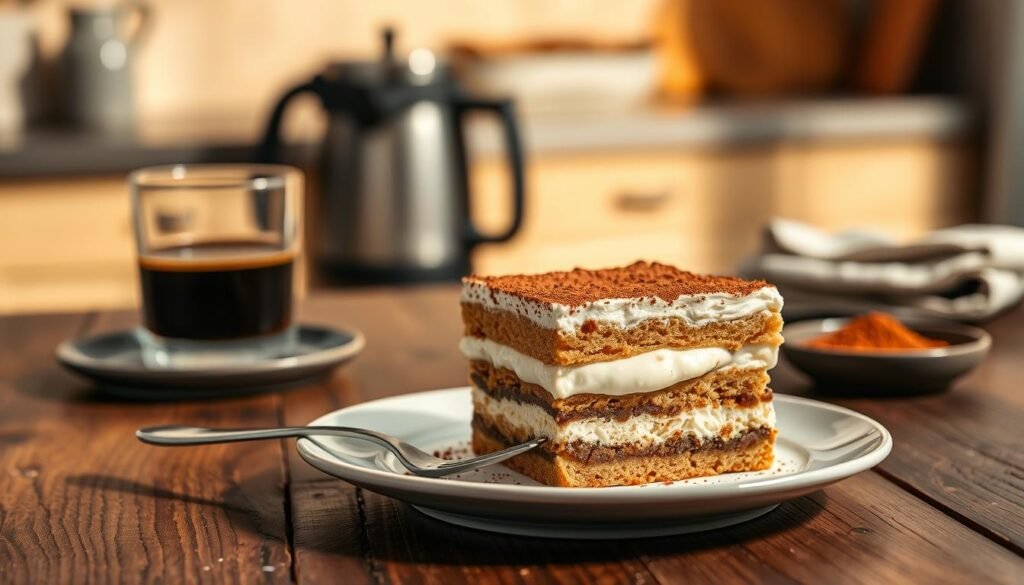
Overnight thaw in the refrigerator and what to expect
Move the wrapped dessert from freezer to refrigerator and leave it undisturbed overnight. Plan about 8–12 hours for a full slab or 6–8 hours for individual slices.
After thaw, expect a softer set. The mascarpone mixture may release some moisture and a little liquid can collect under the bottom layer. This is normal; gently drain any puddles before plating.
Why microwaving breaks the cream and mascarpone
Microwaves heat unevenly and can separate the emulsion in the cream and mascarpone. That causes grainy texture, curdling, and greasy liquid instead of a smooth mixture.
Serving tips: re-dust cocoa just before plating, slice with a warm knife for clean edges, and keep portions cold. Once thawed, enjoy within 24–36 hours in the fridge for best quality and safety.
| Step | Guidance | Time (hours) |
|---|---|---|
| Slab thaw | Wrap in fridge, undisturbed | 8–12 |
| Slice thaw | Individual portions, fridge | 6–8 |
| After thaw | Serve within | 24–36 |
Keeping tiramisu fresh and safe from the first slice to the last
Practical steps from whisking egg yolks and sugar to covering a finished cake make quality easier to keep over several days. For our recipe, beat yolks and sugar until pale, fold in mascarpone and whipped cream, dip ladyfingers briefly in coffee (add a splash of rum if desired), layer evenly, then chill at least 4–6 hours.
Choose pasteurized eggs or understand how cream cheese changes texture. After serving, cut only what we need, re-cover with plastic wrap, and return to the fridge promptly. Limit room temperature time, re-dust cocoa before serving, and freeze portions when we won’t finish them. Eat now for peak flavor, freeze for later use, or discard at first signs of spoilage.